Back pain eased with home exercise videos, live or recorded
☕ Includes a question for the family ↓
Back painPart of a story we are following · 2 articles · See every update
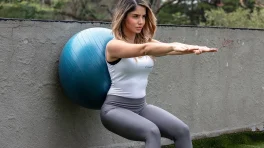
If back pain keeps getting in the way of your days, here is a good reason to roll out a mat. In a new trial, exercising at home eased chronic low back pain, and a recorded video worked just as well as a live class on a screen.
That means you do not need a gym, a drive across town or a class at a set time. You can press play when it suits you, and your back gets the benefit.
How the study worked
This was a randomized controlled trial, published in October 2026 in the European Journal of Pain. It included adults who had chronic low back pain. They were randomly placed on a waitlist, in a live video class, or in a group that followed pre-recorded video sessions. Both exercise groups did a general exercise program for 12 weeks, led by a certified kinesiologist (an exercise specialist), with three one-hour sessions a week. The intensity was matched to each person’s fitness level. The results come from the 57 people who finished, with an average age of 48.4, so bigger studies will fill in more detail.
What they found
People who exercised felt better, and the format did not matter. Their pain ratings dropped by more than 20% compared with the people on the waitlist. Researchers call that a clinically worthwhile drop, meaning a change you would notice in daily life.
Pain that flares up when you move also went down in the exercise groups compared with the waitlist.
The live class had no edge over the recorded video. The two groups matched on pain, how hard the sessions felt, effort, tiredness and how satisfied people were. Pain during the workouts was the same too. So you can choose the option that fits your schedule.
One difference showed up: women reported less pain relief than men did.
What seemed to make it work
The researchers looked at why exercise helped. Three things stood out in the people who got better:
- They rated their own general health higher.
- They were more active overall.
- They walked faster.
In other words, exercise did more than loosen up the back. It seemed to nudge people toward a more active, more confident way of living, and that went along with less pain. The researchers say exercise may ease pain by improving general health-related habits and beliefs.
What you can do today
Pick one beginner-level exercise video made by a certified trainer or a physical therapist. Look for a full-body, gentle routine rather than a high-intensity one. If you notice numbness, leg weakness or bladder problems, check in with your doctor before you begin.
Save the video on your phone or TV, and tomorrow morning do the first five minutes. Go at your own pace and build up from there. Aim for a regular schedule, since the people in the trial exercised three times a week.
Talk about it at home
Some people with sore backs did exercise classes on a screen for 12 weeks. Some followed a teacher live, and some followed a recording. Both groups hurt less afterward than people who waited, and the live class was no better than the video.
Question for the table
Here is a question for the table: how would you test whether a video teacher works as well as a live one, and what would you measure to find out?
Keep exploring
Copies this article and its questions so you can paste them into ChatGPT, Claude, Gemini or the AI you use, and keep the conversation going.
Questions and answers
- Does exercising at home help chronic back pain?
- Yes. In this trial, people who followed a 12-week home exercise program had pain ratings drop by more than 20% compared with people on a waitlist.
- Is a live online class better than a recorded video?
- No. Live and recorded sessions worked equally well for pain, effort, fatigue and satisfaction.
- How often did people exercise in the study?
- Three one-hour sessions a week for 12 weeks, with the intensity matched to each person's fitness level.
- Did the exercise work the same for everyone?
- Mostly. Women reported less pain relief than men, but both exercise formats helped overall.