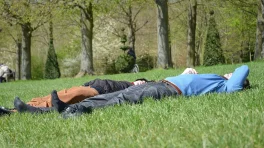
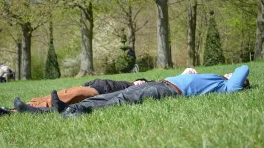
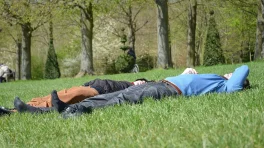
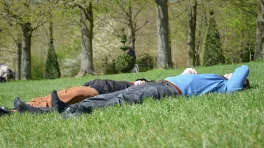
Are naps good for you?
Last updated November 5, 2026 · Based on 2 studies we covered and 1 official source
Short answer
It depends. In one study of older adults, people who napped more had a slower decline in money and health know-how. But that study shows a link, not proof. We have no answer yet on the best nap length for you.
What the science says now
Are naps linked to better thinking skills?
In a study of 765 older adults without dementia, people who napped more during the day had a slower decline in financial and health literacy. That means the know-how to make sound decisions about money and health. Scores slipped by about 1 percentage point per year on average, and napping was tied to how fast they slipped. (Sleep and naps linked to slower decline in money and health know-how · Alzheimers Dement)
In people; observational.
Is it the nap, or the night?
People who slept longer at night also did better at first glance. But once napping was taken into account, the link for night sleep was no longer statistically significant. Napping kept its link. The two kinds of rest overlap, so it is hard to pull them apart. (our story · Alzheimers Dement)
In people; observational.
Does it matter how sleep is measured?
Yes. Nap and sleep readings from a device that tracks rest and activity were tied to changes in scores over time. What people said about their own sleep was not. (our story · Alzheimers Dement)
In people; observational.
Is there a catch after waking up?
Another study looked at morning grogginess, the foggy feeling in the first minutes after waking, called sleep inertia. It looked at older adults waking from sleep in general, not naps. People in the top quarter of grogginess scores were about twice as likely to report two or more falls in the past year. (Morning grogginess is a clue to falls in older adults, and it’s easy to act on · Sleep Advances)
In people; observational.
What about sleep overall?
The CDC says good sleep is essential for health, and that quality matters as well as hours. It lists 7–8 hours a day for adults 65 and older, and 7 or more hours for adults 18–60. (CDC)
What we don’t know yet
These studies cannot tell us that naps cause better thinking. Both are observational, so they show links only. The nap study followed older adults, so we can’t say the same holds for younger people. Our notes don’t say how long or how often a nap should be, or what time of day is best. We also don’t know whether grogginess after a nap carries the same fall clue as grogginess after a night’s sleep.
When to talk to your doctor
Talk to your doctor if you regularly have trouble sleeping, or feel sleepy or tired even after enough sleep. The CDC says a provider can run tests to look for sleep disorders. Also mention it if you or an older relative often feels groggy and unsteady after waking, or has had falls.
Talk about it at dinner
Ask everyone: “When do you feel most rested? Do you like a quiet pause in the afternoon?” Let each person share how they like to rest, and plan one calm break together this weekend.
What you can do today
If you feel like a nap today, take it without guilt. When you wake, sit on the edge of the bed or couch, wiggle your feet for a few seconds, and stand once you feel awake.
The studies behind this answer
Other trusted sources
Update history
- First version.
Keep exploring
Copies this article and its questions so you can paste them into ChatGPT, Claude, Gemini or the AI you use, and keep the conversation going.