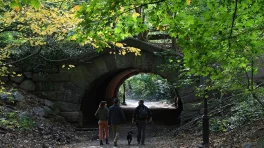
Start exercise at any age: older adults who got moving were more resilient
☕ Includes a question for the family ↓
Exercise as medicinePart of a story we are following · 3 articles · See every update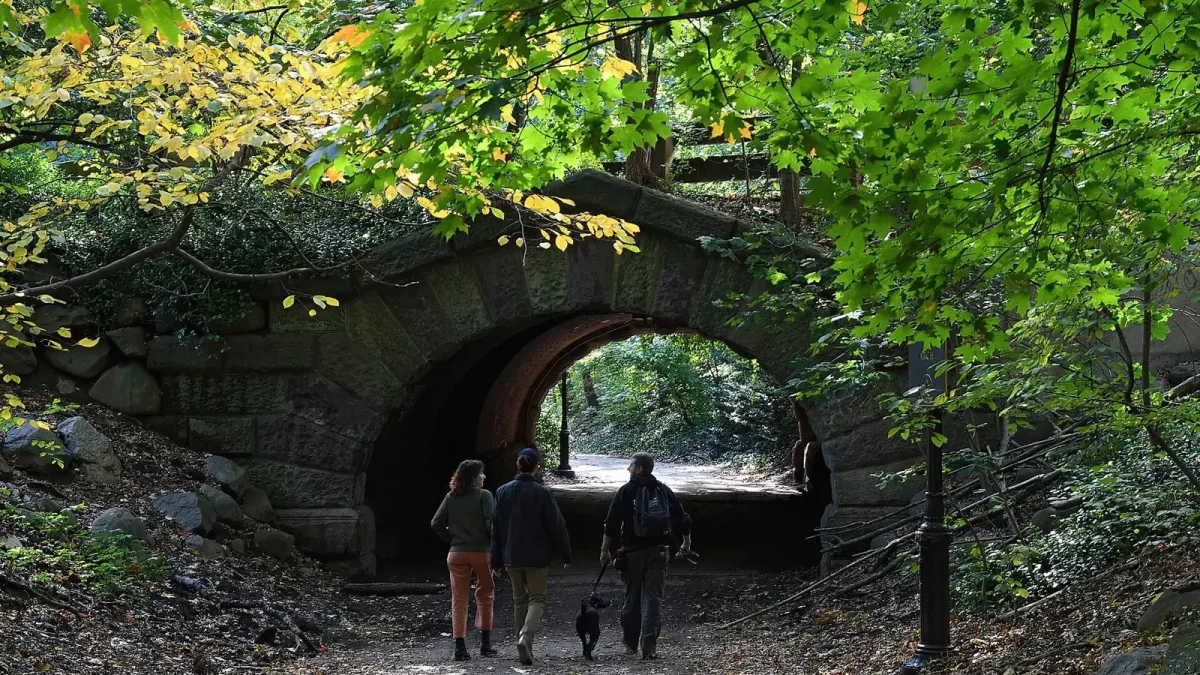
If you have been thinking about taking a daily walk with your parents or grandparents, this is your sign. In a study of older adults in China, people who were doing regular exercise were less likely to have a hard time bouncing back from life’s blows. That was true even for people who had only just started.
Researchers call that bounce-back psychological resilience. It is how well you cope with stress and recover from hard things. The good news is that what mattered most was being active now, not how active you used to be.
How the study worked
Researchers used two rounds (2011 and 2014) of a national survey of older adults in China, the Chinese Longitudinal Healthy Longevity Survey, sorting people into four groups by how their activity changed and scoring resilience with five questions, as reported Oct. 9, 2026 in Frontiers in Psychology. Because people were observed rather than assigned to exercise, the study shows a strong link, not a proven cause.
The four groups were people who stayed inactive, people who went from active to inactive, people who went from inactive to active, and people who stayed active. The researchers also took into account things like age, lifestyle and health, so the groups could be compared fairly.
What they found
First, a snapshot. Compared with people who stayed inactive, those who had started exercising and those who always exercised were both less likely to have low resilience. People who had slipped from active to inactive looked about the same as the always-inactive group at that moment.
Then the researchers looked forward in time. Here the picture was encouraging for every group that had been active at some point, compared with people who stayed inactive:
- People who stayed active had the lowest chance of developing low resilience. On the study’s scale, where lower numbers mean lower chances, they scored 0.59.
- People who went from inactive to active did nearly as well, at 0.72.
- People who had been active and then slowed down also had a lower chance, at 0.73.
The pattern held across the different kinds of older adults in the study. The researchers did not find that it worked better for one subgroup than another.
Why the new movers matter
The headline for you is the middle group. People who were inactive in the first survey and active by the second ended up with a resilience advantage close to that of lifelong exercisers. Your past habits do not lock in your future.
That is also good news for families. If a parent has never been much of an exerciser, there is no need to wait for a better time or to feel behind. Starting counts.
What you can do today
Invite a parent, grandparent or older neighbor to walk around the block with you for five minutes today. Notice how you both feel when you get back, then plan the same walk for tomorrow. If getting outside is hard, many YMCAs and senior centers offer gentle classes such as chair exercise or tai chi, and some Medicare Advantage plans include a gym benefit, so check your plan.
Pick something you enjoy and can repeat. A walk with a friend, a little dancing in the kitchen or an hour in the garden all count as moving.
Talk about it at home
Scientists checked in on older people twice, a few years apart. The ones who were moving around at the second check-in were handling tough times better, even if they had only just started. Starting a good habit late still pays off.
Question for the table
Here is something to try at home: each person picks one easy way to move for five minutes, then tells the family how they felt before and after. How could we tell if moving really helped, or if people who feel good just move more?
Keep exploring
Copies this article and its questions so you can paste them into ChatGPT, Claude, Gemini or the AI you use, and keep the conversation going.
Questions and answers
- What is psychological resilience?
- It is how well you cope with stress and bounce back from hard times.
- Is it too late to start exercising in later life?
- No. In this study, people who went from inactive to active had a lower chance of low resilience over time, close to those who always exercised.
- Does this prove exercise builds resilience?
- The study followed people rather than assigning them to exercise, so it shows a strong link, not proof of cause.
- What kind of exercise counts?
- The study grouped people simply as active or inactive. Choose something you enjoy and can keep doing, like walking, dancing or gardening.