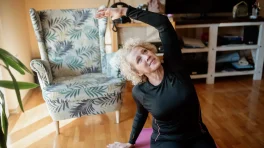
Feeling good after waking beats night-owl sleep timing for mental health
☕ Includes a question for the family ↓
Sleep healthPart of a story we are following · 11 articles · See every update
If you stay up late, here is some welcome news. When it comes to mental health, how you feel after you wake up is a stronger clue than what time you go to sleep.
A new review of 20 studies found that feeling good soon after waking went with better well-being and less distress. Being a night owl showed weaker and less consistent links. So your bedtime matters less than you may have been told, and your morning mood tells you more.
How the study worked
Researchers searched four databases and screened 151 records. They kept 20 studies of adults that used the same questionnaire to measure body-clock traits, the Morningness-Eveningness-Stability Scale improved. They combined the results in a meta-analysis, which pools many studies into one picture. The review was published Oct. 27, 2026, in Chronobiology International. It shows what goes together in real people, and that is exactly what makes it useful for spotting patterns in your own life.
What they found
The usual way to talk about body clocks is a single line, from morning lark to night owl. This review looked at three separate pieces instead, and they did not all behave the same way.
Feeling good in the morning, which researchers call morning affect, went with lower ill-being and higher well-being. That held across the studies in the review.
Big swings in alertness during the day, which researchers call distinctness, showed the opposite pattern. People with bigger swings tended to report lower well-being and more ill-being.
Being a night owl, which researchers call eveningness, had weaker and less consistent links with the outcomes measured. Morning feelings and daily swings were tied to mental health more strongly and more steadily than being a night owl was.
The authors say this supports looking at body clocks in several dimensions, not just one line from early to late.
What do those three words mean?
- Morning affect: how fresh and good you feel after waking up.
- Eveningness: how late in the day your energy peaks.
- Distinctness: how much your energy and alertness rise and fall across the day.
You can probably guess where you land on each one already. Many people feel great in the morning and still go to bed late. Many early risers feel flat when the alarm goes off. These traits do not have to travel together.
What you can do today
You do not need a new schedule or a gadget. You only need to notice.
For the next three mornings, rate from 0 to 10 how good you feel shortly after waking. Jot down the time you went to bed the night before, right next to the score. A sticky note on the coffee maker works fine. After three days, glance at the numbers and see what goes with your best mornings.
Talk about it at home
Some people wake up smiling and some wake up grumpy. Scientists found that how happy you feel in the morning says more about your mood than whether you like staying up late. How you feel when you wake up is a clue about you, not a grade.
Question for the table
Here is a way to be a scientist at the table: ask everyone to rate their morning mood from 0 to 10 tomorrow, then compare. Does the person who went to bed latest always score lowest?
Keep exploring
Copies this article and its questions so you can paste them into ChatGPT, Claude, Gemini or the AI you use, and keep the conversation going.
Questions and answers
- Is being a night owl bad for mental health?
- In this review, being a night owl showed weaker and less consistent links with mental health than morning mood or daily swings in alertness.
- What is morning affect?
- It is how fresh and good you feel after waking up. Higher morning affect went with lower ill-being and higher well-being.
- What is distinctness?
- It is how much your energy and alertness rise and fall during the day. Bigger swings went with lower well-being and more ill-being.
- How many studies were in the review?
- The review combined 20 studies of adults that all used the same body-clock questionnaire.