The gut-brain connection pays off: probiotics and prebiotics lifted thinking scores
☕ Includes a question for the family ↓
The gut-brain connectionPart of a story we are following · 3 articles · See every update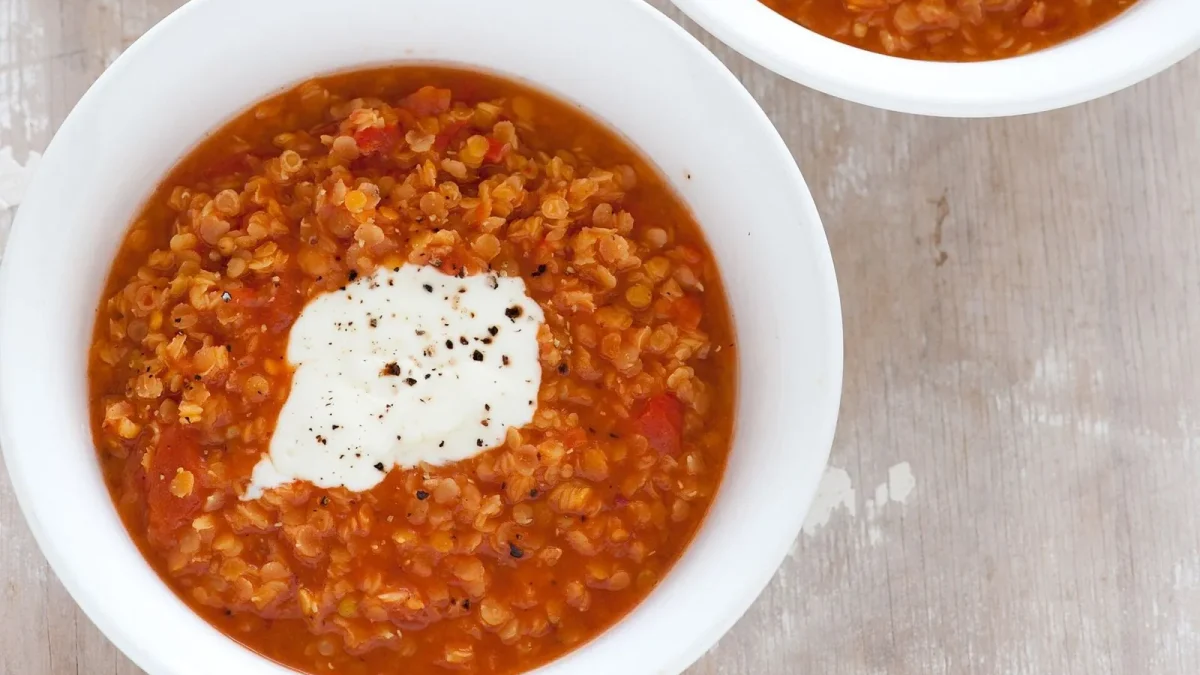
Your gut and your brain are in constant conversation, and a new review shows you can help that conversation along. Across a group of studies in adults 60 and older, probiotics, prebiotics and synbiotics improved scores on tests of thinking and memory. That is the gut-brain connection at work, and the tools are easy to find at any grocery store or pharmacy.
Better still, the foods that feed your gut are ones you can put on your plate today.
How the study worked
Researchers searched four major medical databases for studies in adults 60 and older that tested gut-friendly products against a placebo, then combined what they found. The studies that qualified included 13 randomized trials, and they covered both healthy older adults and people with cognitive impairment. The review was published in September 2026 in Age and Ageing. The products and doses varied from study to study and the combined number came from a subgroup, so larger trials will sharpen the picture.
What they found
Nine of the studies reported real improvements in at least one area of thinking. The gains showed up most in overall thinking, memory, attention and executive function, which is the skill you use to plan, organize and switch between tasks.
When the researchers combined a subgroup of studies, overall thinking scores rose by about 1 point after supplementation. The exact figure was 1.28 points on standard tests like the MMSE and the MoCA, the same short quizzes doctors use to check memory and thinking.
The authors also pointed out that these products are mostly already on store shelves and are low-risk. That is a rare combination in brain health: something simple, available and gentle.
What are probiotics, prebiotics and synbiotics?
Three words, three simple ideas:
- Probiotics are live, friendly bacteria.
- Prebiotics are fibers that feed those bacteria.
- Synbiotics combine the two.
Ten of the trials tested probiotics, two tested prebiotics and two tested synbiotics. Your gut and brain talk through nerves, hormones and immune signals, and the microbes in your intestines take part in that conversation.
What you can do today
The trials used supplements, but you can feed the same gut microbes with everyday food. Fiber is the fuel, and fermented foods bring in live bacteria. If you are curious about a supplement, your doctor or pharmacist can help you pick one.
For today, add two things to your day:
- One fiber-rich food, such as lentils, oats or an apple.
- One fermented food, such as plain yogurt or kefir.
Plain yogurt with oats and sliced apple covers both in one bowl. Tomorrow, do it again.
Talk about it at home
Inside your belly live trillions of tiny helpers called bacteria, and they send messages to your brain. When we feed them the right foods, like fruit, beans and yogurt, they seem to help our brains think a little sharper.
Try it at home
How could we find out which foods your family likes that feed those helpers? Try keeping a list for one week of every fiber food and every fermented food you eat together, and see who finds the most.
Keep exploring
Copies this article and its questions so you can paste them into ChatGPT, Claude, Gemini or the AI you use, and keep the conversation going.
Questions and answers
- What are probiotics, prebiotics and synbiotics?
- Probiotics are live friendly bacteria. Prebiotics are fibers that feed them. Synbiotics combine both.
- How much did thinking scores improve?
- In a combined subgroup of studies, global cognition scores rose by 1.28 points.
- Who was in these studies?
- Adults 60 and older, including healthy people and people with cognitive impairment.
- Can I get the same benefit from food?
- The trials tested supplements, but fiber-rich foods and fermented foods like yogurt feed your gut microbes and are an easy place to start.